
5 Ways Deep Thinkers Stay Sharp (Without Burning Out)
Reflection, fiction, and the quiet art of daily noticing

My kids were watching World Watch and I was half-listening while working nearby. Then a segment about knife-sharpening craftsmen caught my ear. They said something that made me stop what I was doing:
“A dull knife is actually more dangerous than a sharp one.”
That didn’t seem right at first. But the more I thought about it, the more it made sense. A dull knife takes more pressure to cut. It’s more likely to slip. More likely to cause harm. A sharp knife, on the other hand, works with less effort and more control.
I flipped open my notes app and typed that simple phrase:
“A dull knife is more dangerous than a sharp one.”
I tagged it to ponder—and haven’t stopped thinking about it since.
Because it’s not just true in the kitchen.
It’s true in life.
When I’m dull—when my thoughts are scattered, my purpose blurry, my attention foggy—I start pushing harder. I strive. I stress. I react instead of responding.
And sometimes, I slip.
Then Proverbs 10:4 came to mind:
“Lazy hands make for poverty, but diligent hands bring wealth.”
That word “diligent” in Hebrew isn’t just about working hard. It can also mean sharp, decisive, or skillful.
A diligent life is a sharpened life.
So how do you stay sharp—especially as a deep thinker or note taker?
Here are 5 quiet practices that are sharpening me right now:
1. Tag what’s worth pondering.
I use the tag “to ponder” when something stirs my curiosity or touches a deeper nerve. Not because I need to turn it into a project or a post. Just because I want to come back to it. Sit with it. Let it sharpen me slowly. It’s a gentle way of saying: this mattered—even if I’m not sure why yet.

2. Pay attention to what makes you pause.
That World Watch line caught me mid-task—and I honored that moment by writing it down. Pauses are clues. When something breaks through the noise, it’s worth capturing—even if it’s just a line.
3. Read fiction, especially with others.
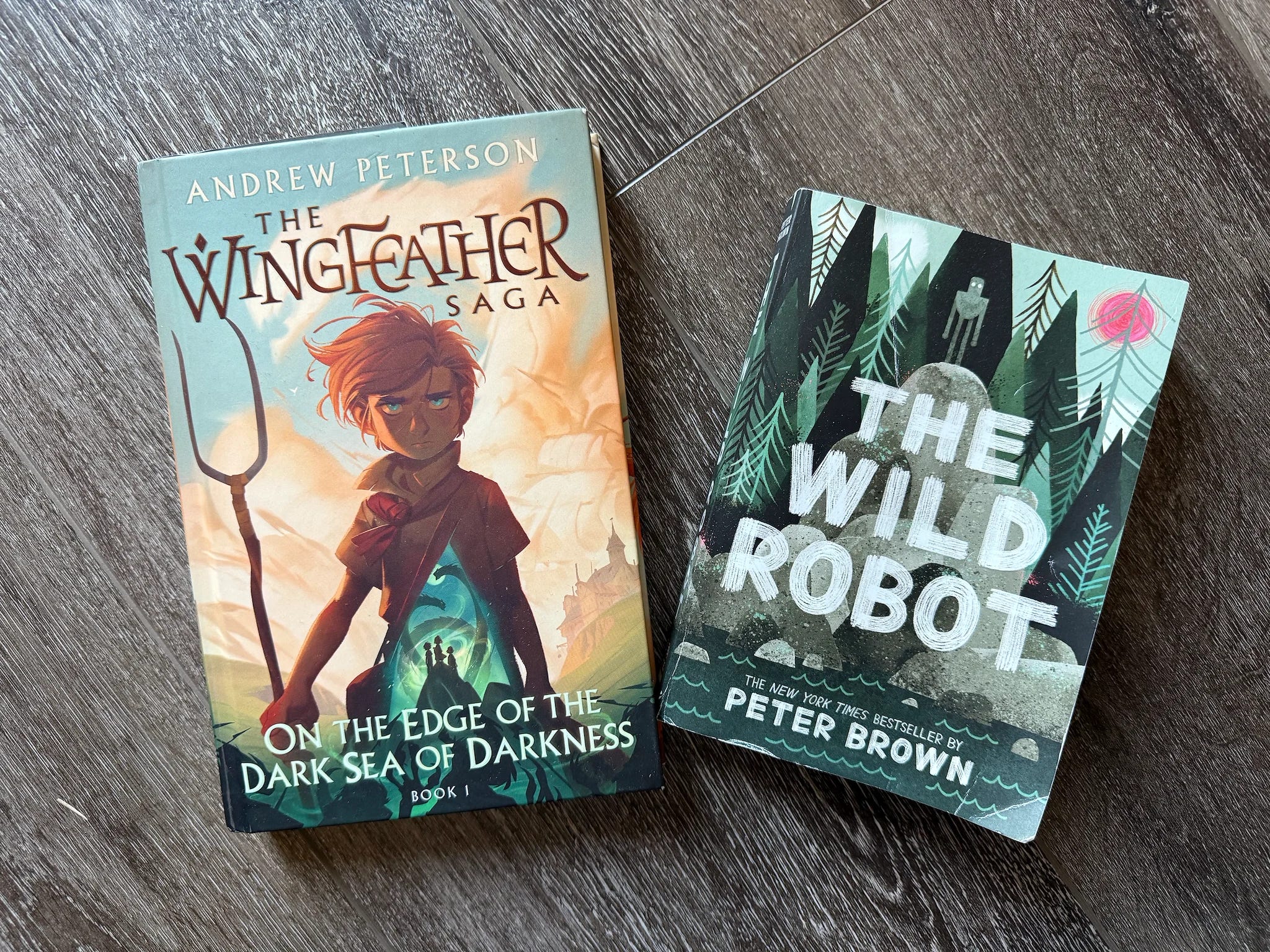
I’ve been reading The Wild Robot Escapes and The Wingfeather Saga with my kids. Two different stories. Two different worlds. But something about sitting in those spaces together has opened up my imagination again. Fiction sharpens more than the mind—it sharpens the soul.
4. Write one meaningful thing by hand every day.
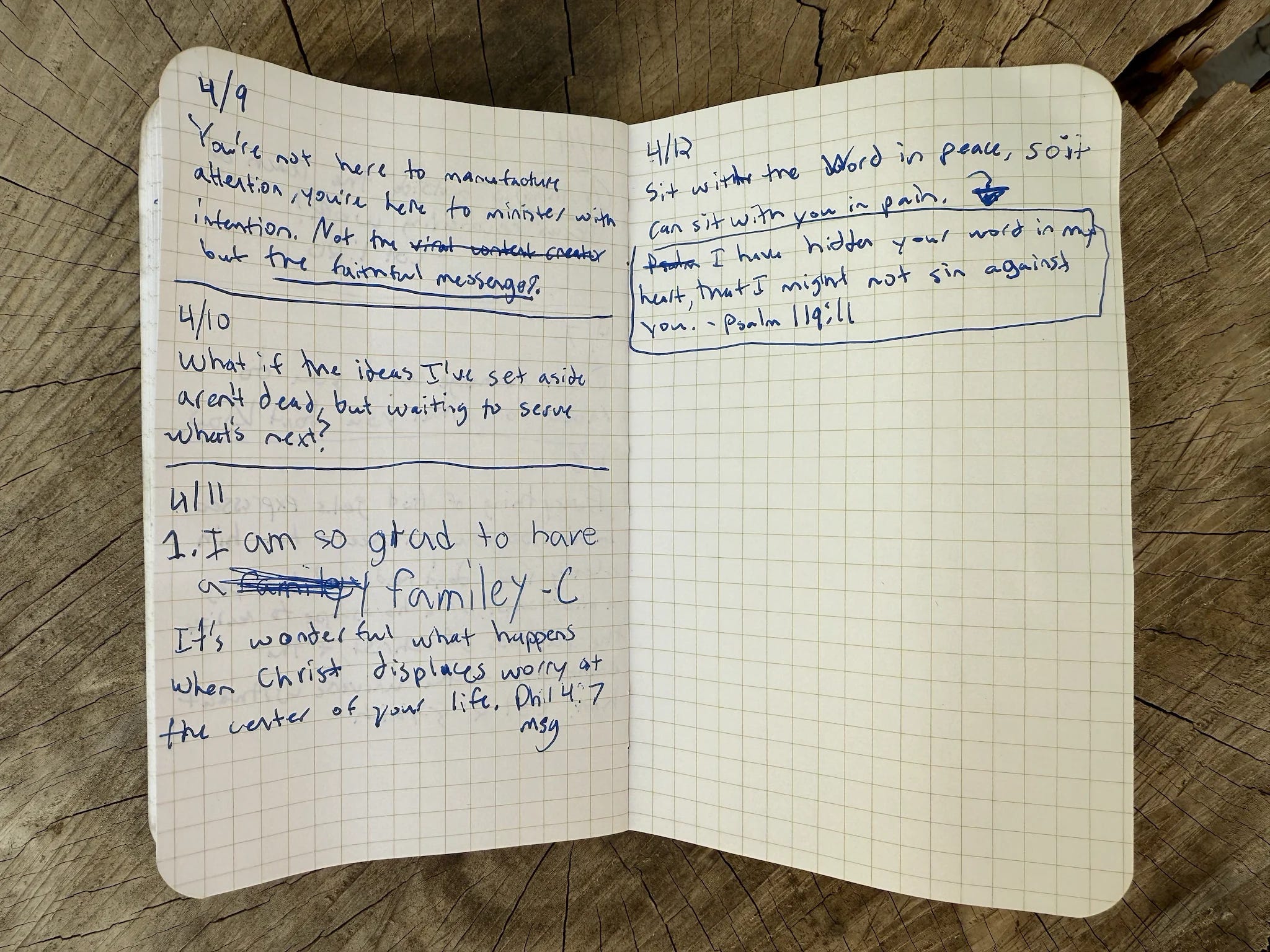
As part of my daily walk, I’ve started writing down just one thing—a reflection, a moment, a truth I want to carry with me. There’s something about putting pen to paper that slows me down and gives that thought more weight. It’s not a list. It’s not a journal entry. It’s just one thing worth remembering.
5. Ask better questions.
“What does this show me about God?”
“Where else have I seen this pattern?”
“What am I being invited to do?”
These are sharpening tools. Questions like these help me live with awareness instead of on autopilot.
Maybe we don’t need to push harder.
Maybe we just need to sharpen.
P.S. If you’re looking for a place to store thoughts like these — and decorate them over time — you might enjoy exploring the Idea Mansion. It’s a playful and practical way to build a creative space around what matters to you.