
How to Distill Notes Without Losing Meaning

Taking notes isn’t hard — but making them useful is a different story.
It’s easy to capture too much and end up drowning in details. Here’s my streamlined process to distill notes down to what really matters:
1. Think Like a Curator
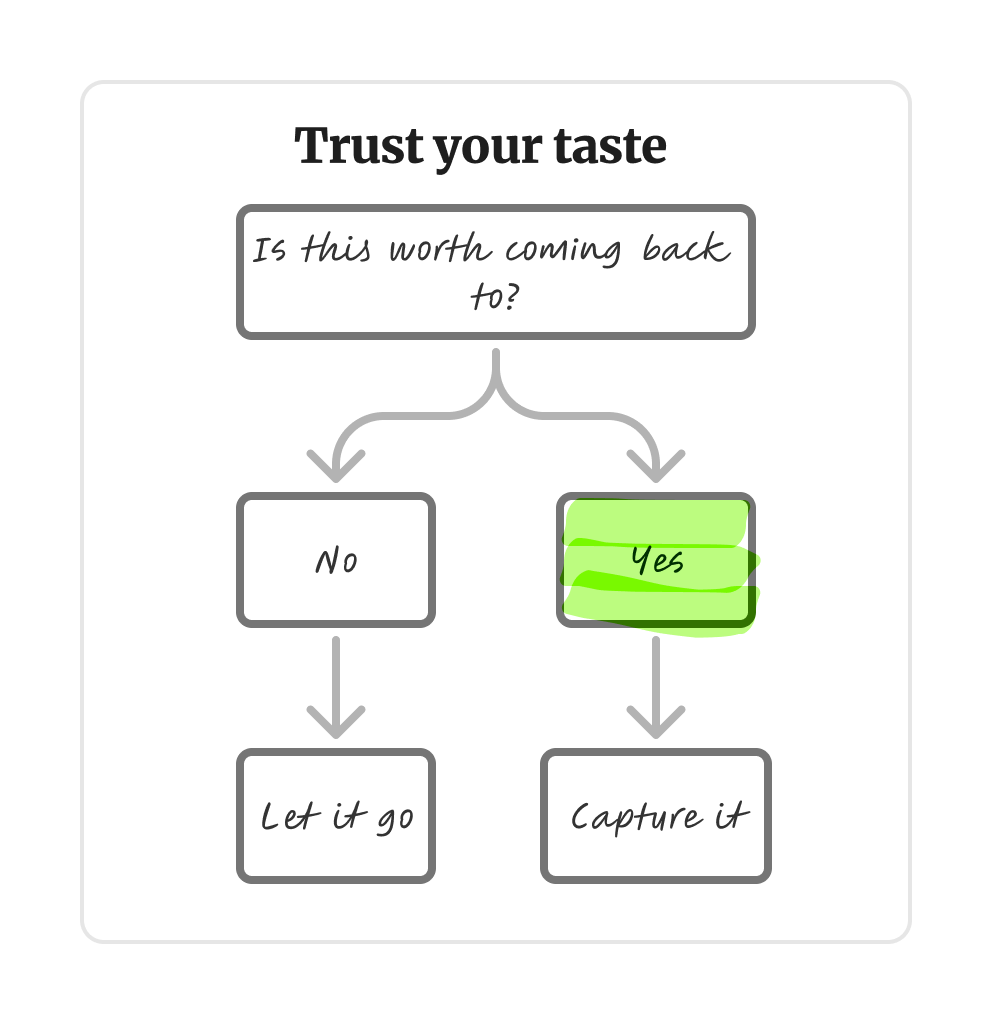
I approach notes like a museum curator: my job isn’t to save everything — it’s to decide what’s worth keeping. If a note doesn’t feel essential or spark curiosity, I let it go.
✅ Key question: Is this worth coming back to?
2. Rewrite in My Own Words
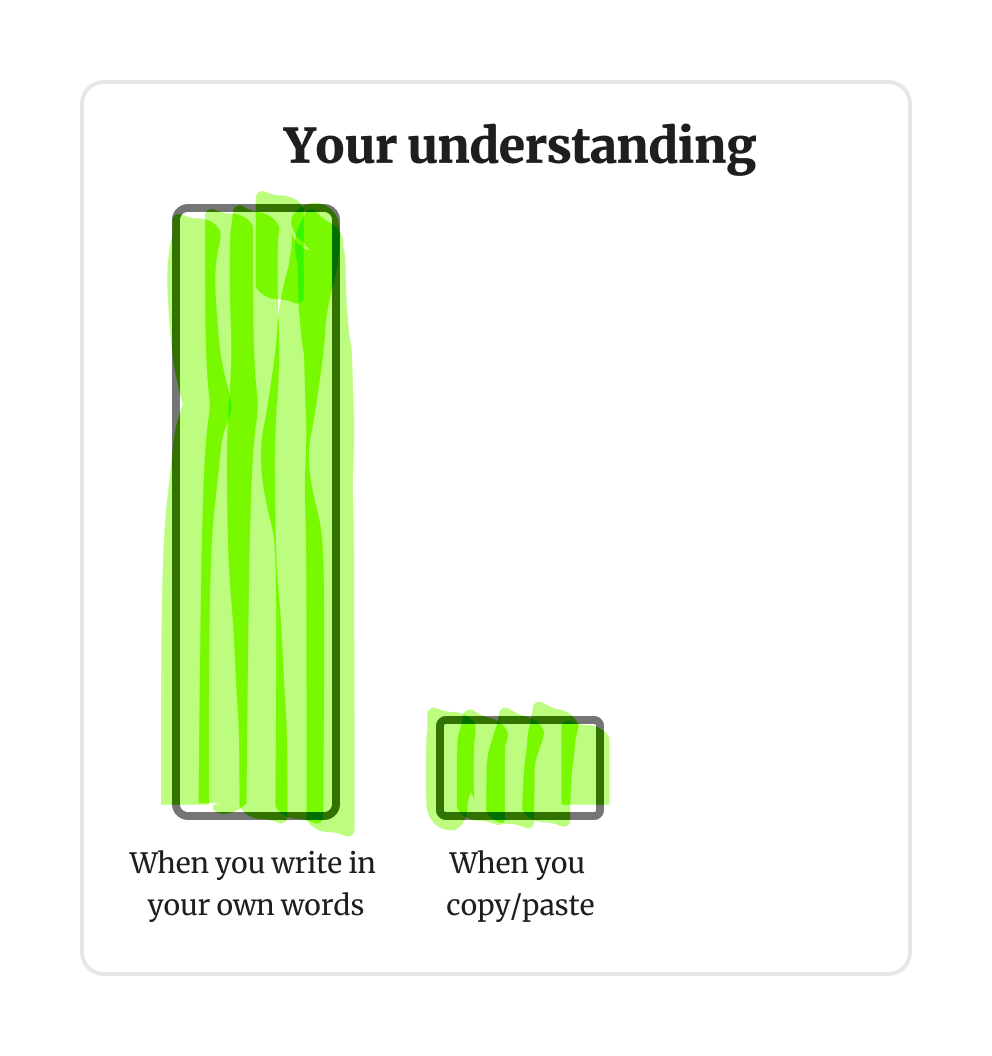
Copying is easy, but it doesn’t build understanding. I translate the important bits into my own language — this forces me to process the idea, not just store it.
✅ Key question: Can I explain this to someone else?
3. Find the Core Insight
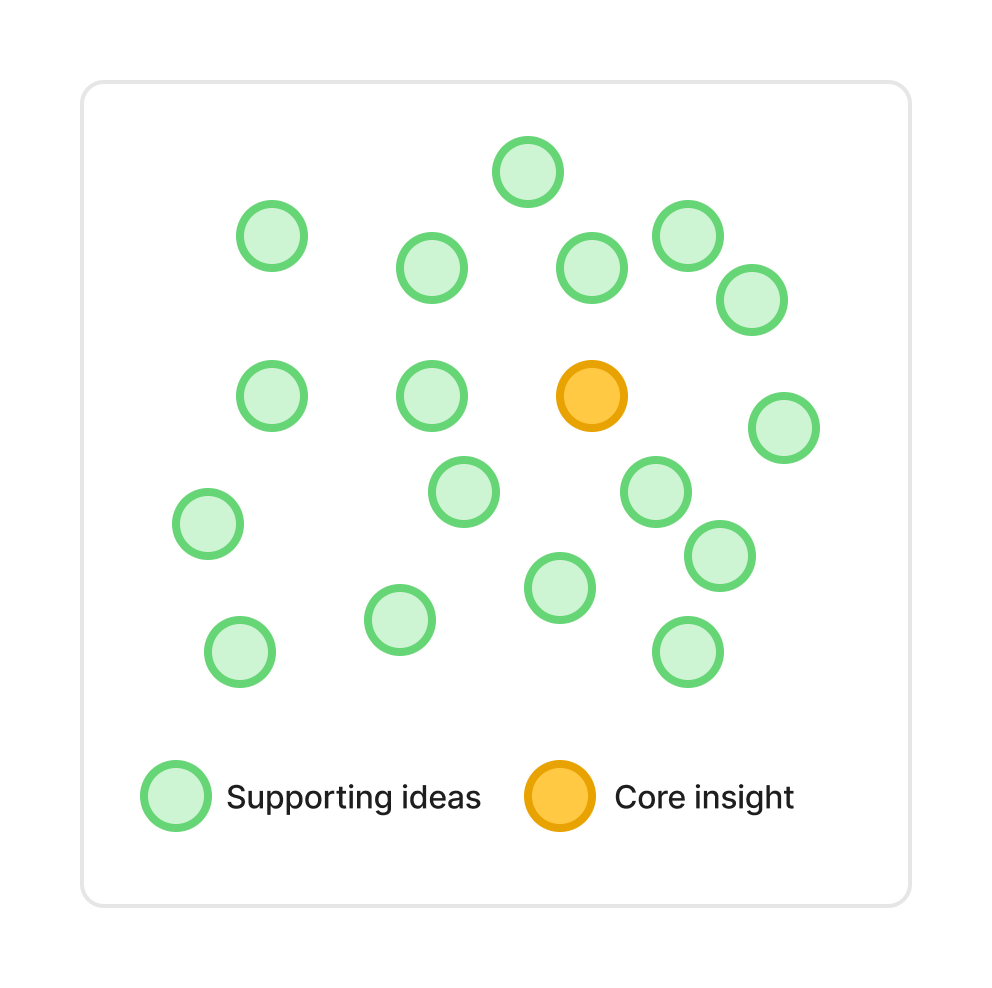
I ask myself: If I only remembered one thing from this note, what would it be? That’s what I bold or highlight. The rest supports that core takeaway.
✅ Key question: What’s the one thing I want to remember?
4. Link to the Source
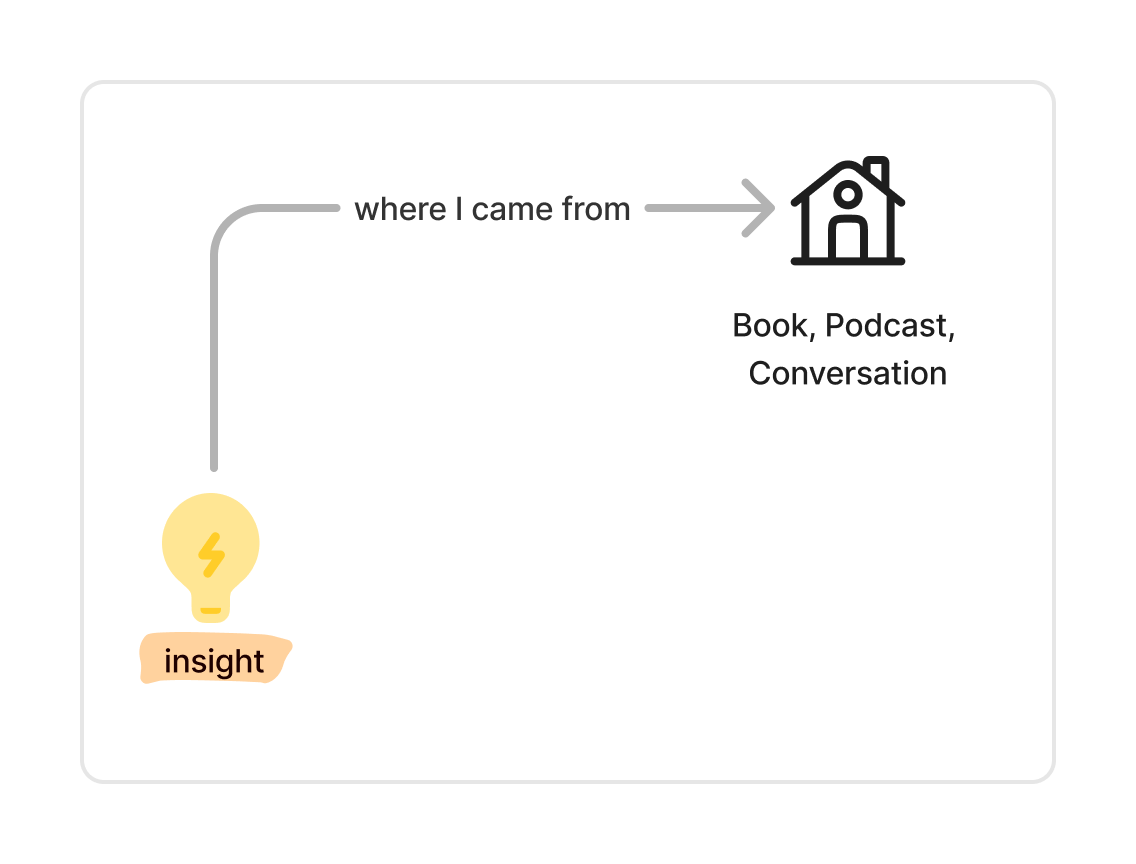
To avoid losing the original meaning (or twisting it over time), I link back to the source — whether it’s a book, podcast, or article — so I can double-check the full context if needed.
✅ Key question: Would this make sense if I read it a year from now?
5. Connect It to What I Already Know
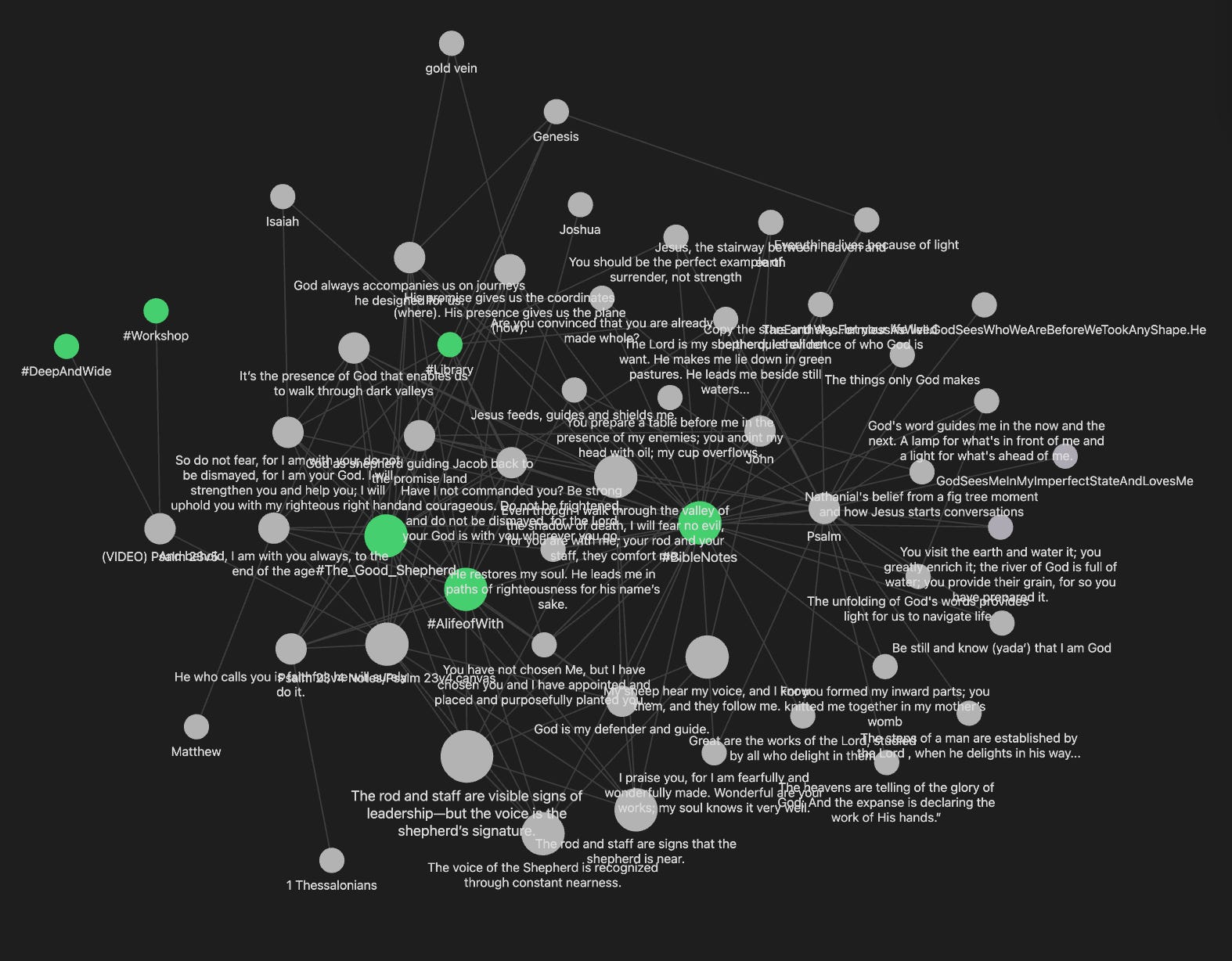
New ideas don’t live in a vacuum. I connect them to existing notes, projects, or thoughts — this helps me uncover deeper insights and build a network of knowledge, not a pile of disconnected facts.
Notes are a tool for thinking — not just remembering.
By curating, rewriting, and connecting ideas, I keep my notes lean, clear, and meaningful — without losing what matters.
If this post spoke to you, here’s how you can support my work:
Pick up one of my eBooks if you’d like to explore these ideas more deeply (or gift to a friend!):
Forward it to a fellow deep thinker who might appreciate it too.
Hit reply and tell me what stood out to you, share an idea it sparked, or just say hello.