
Writing That Outlives You
A single sentence can travel further than a 5,000-word essay. Solomon knew it. Let’s practice it together.

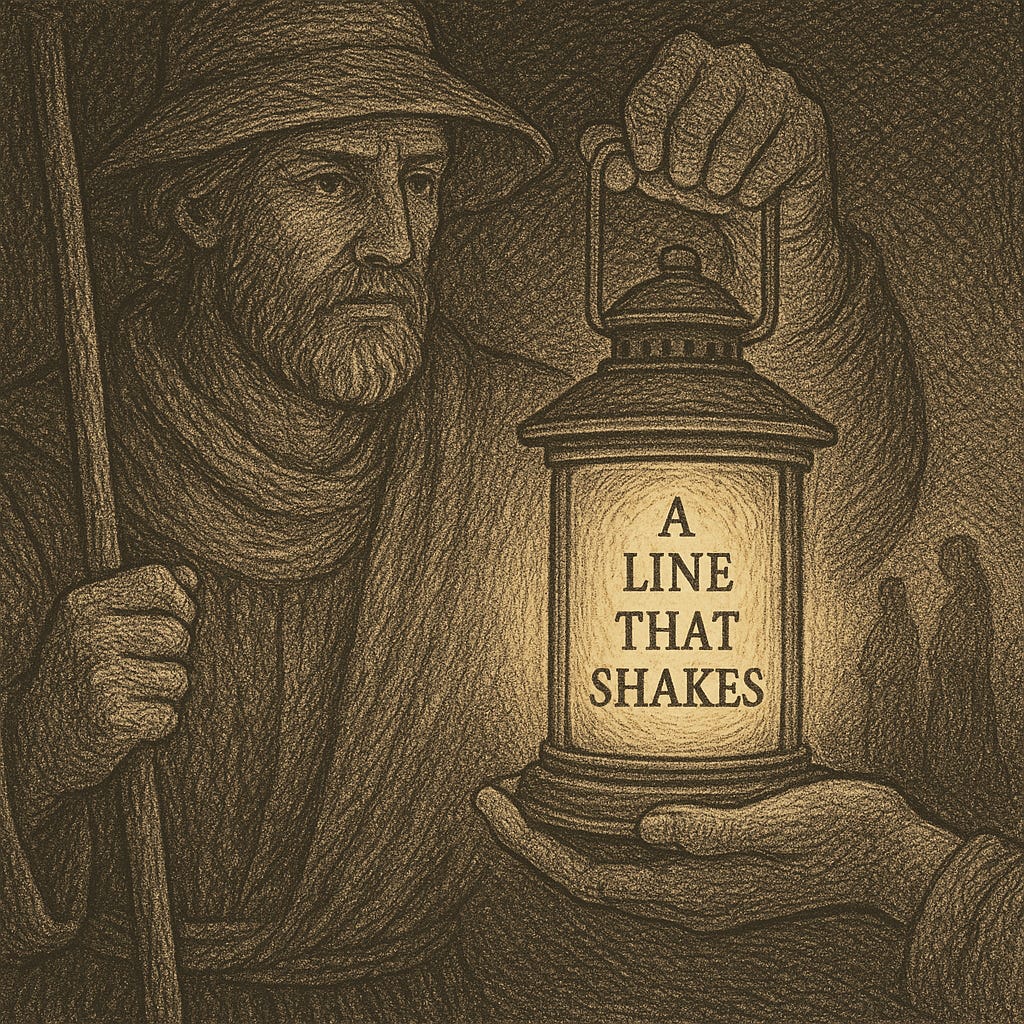
The other day I was reading about Solomon, and it stopped me in my tracks.
It said he wrote 3,000 proverbs and a thousand songs. And then it adds this little detail—he spoke about trees, from the massive cedar of Lebanon all the way down to the tiny hyssop that grows out of a wall. He even spoke about birds and reptiles and fish.
Did you catch that?
Solomon had this God-given ability to take something ordinary—a tree, a plant, a bird—and turn it into wisdom you could carry in your back pocket. Not a 5,000-word blog post. Not a 200-page book. Just a sentence. A line that shook you. Something small enough to remember, but big enough to change the way you live.
That’s what I’m after too. And I think maybe you are as well.
Every time you or I notice a squirrel storing acorns, or a tree shedding leaves, or even a bag of stale chips—we’re not just noticing random stuff. We’re standing in the same field Solomon stood in. We’re learning to see how the world is stitched with meaning. And then we try to hammer those observations into a single sentence.
Not polished novels. Not exhaustive arguments. Just little sparks. Sentences that shake.
And here’s the beautiful thing: those sentences? They last. They get carried. They’re the kind of thing your kids repeat at the dinner table, or your friends remember when life gets heavy. They’re sticky.
So here’s what I’m practicing:
Notice the world.
Hammer what I see into one sentence.
Share it. Trust that God will use it.
That’s the Solomon Way. And honestly? It feels like our way too.
Shepherd’s Pause
What’s one ordinary thing you’ve seen this week—a bird, a branch, a cup of coffee—that might be whispering a sentence worth carrying?
And since we’re talking about short, sticky sentences…
I should mention this: AI can drown you in words if you let it. But used wisely, it can help you find and forge the one line that matters. That’s why I put together a little guide called Thinking with AI: Don’t Let the Robot Steal Your Brain. If you want to see how I use AI as a proverb-forge instead of a distraction machine, you can grab it here.
I was at a wedding last weekend and the groom's mother read a writing from her husband which was intended for their children but was only found after his passing. I plan to leave a few of my thoughts for my sons.